
 Listing checkedFreemiumContact sales
ChatGPT
OpenAI's conversational AI assistant for drafting, coding, research and data analysis, with a permanent free tier and paid plans on web, iOS and Android.
- Ratings
- No member reviews yet
- Price
- From $8/mo
- Last updated
Key takeaways
- ChatGPT is OpenAI's conversational AI service on the web, iOS and Android, covering chat, a Work mode that carries larger tasks through to a reviewable deck, report or plan, and Codex for developer work. OpenAI said in a 2026 funding announcement that 500 million people used it weekly, a self-reported figure; a July 2026 compilation claimed 900 million weekly users and 50 million paying subscribers, neither independently verified.
- The product is leaning harder into professional work. OpenAI's current documentation splits the service into Chat, ChatGPT Work and Codex, an emphasis on task completion and software development rather than casual chat, though OpenAI has published no formal statement prioritising one audience over another.
- There is a permanent free tier, not a trial: unlimited everyday text chat subject to abuse safeguards, with separate limits on uploads, image generation, voice and data analysis. The paid lineup as of August 2026 is Go, Plus, Pro, Business and Enterprise, but only Plus at $20 a month is clearly confirmed; the widely scraped Pro price of $200 a month still needs checking against the live page.
- Traffic runs at a scale nothing else in the category matches: a third-party estimate put chatgpt.com at about 5.38 billion visits in June 2026, down 3.3% on the month, with 72% of visits arriving direct. The figure is unverified, but the shape is that of a bookmarked daily-use tool.
- The biggest caveat is the gap between review platforms: G2 showed 4.6/5 from 2,524 reviews and Capterra UK 4.4/5 from 366 in 2026 captures, while a secondary Trustpilot synthesis sat at 1.6/5, with complaints about wrong answers, lost work, slow responses and subscription value. OpenAI can also use consumer conversations to train models unless you opt out.

What is ChatGPT?
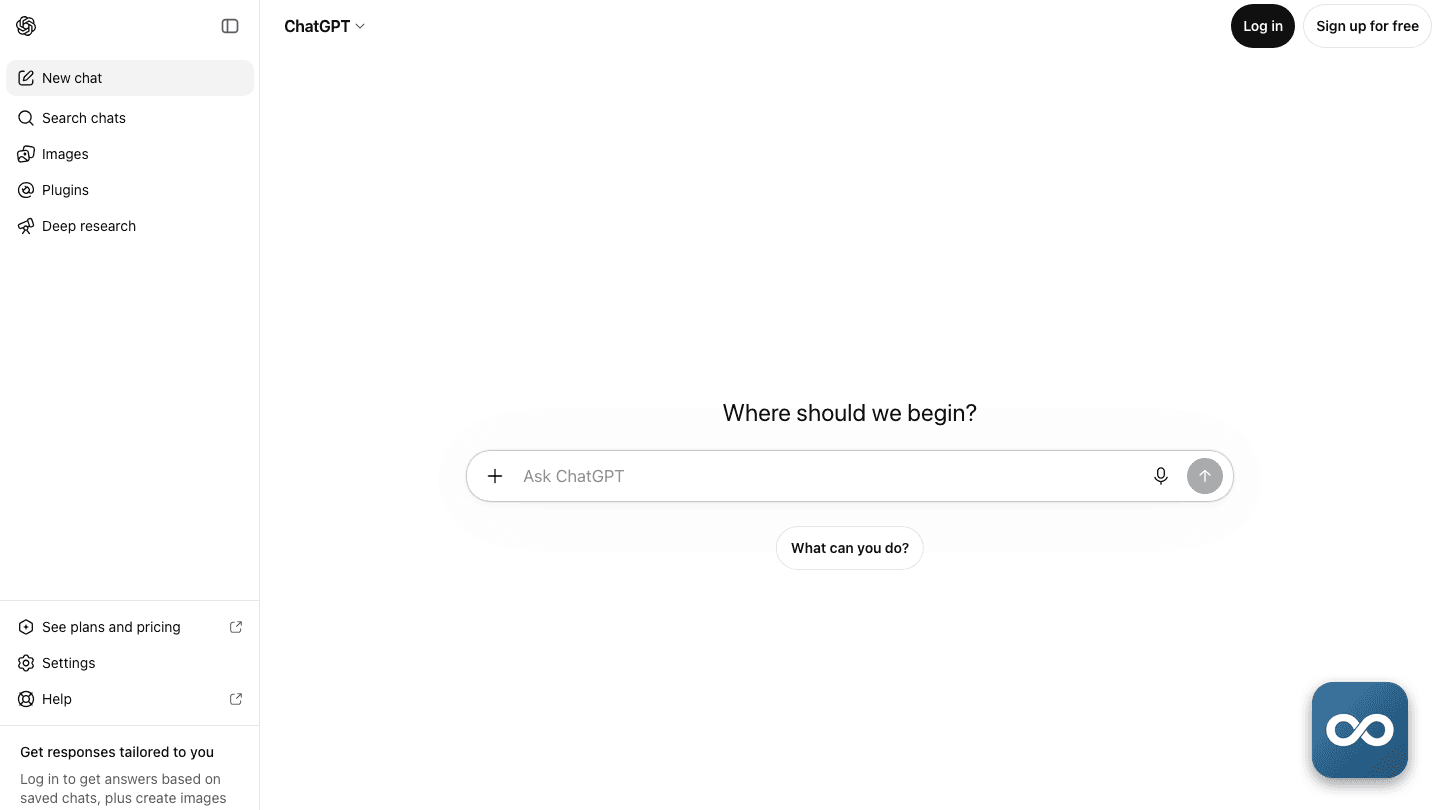
ChatGPT is OpenAI's hosted conversational AI service at chatgpt.com, available on the web and through iOS and Android apps. You type a request, attach files or images where the feature allows, and get back an answer, a draft, code, an analysis or an image. OpenAI describes the service as covering organising and summarising information, translation, coding, research, analysis, multi-step tasks and image generation, and it exposes several OpenAI model families behind one interface. Paid customers can choose among them from a model picker.
What separates the current product from the chatbot it launched as in November 2022 is the split into three modes. Chat is the familiar back and forth. ChatGPT Work carries a larger task through to a reviewable result, such as a deck, report or project plan. Codex is the developer workflow: debugging, tests, pull-request review and implementation. Web search, voice, file uploads with Advanced Data Analysis, and image generation each attach to these modes with plan-specific limits.
Around the personal product sit ChatGPT Business, a self-serve shared workspace with centralised billing, roles, usage visibility and spend controls, and Enterprise, a sales-led plan that adds SSO, SCIM, domain verification, usage insights and longer context. Its closest rivals are Claude, Gemini, Microsoft Copilot, Perplexity and Grok. One boundary worth knowing up front: a ChatGPT Business subscription does not include OpenAI's API, which is a separate product billed separately.
How it works
Open ChatGPT and pick a mode
Visit the web app or open the iOS or Android app. Free users can start immediately; paid capabilities need an eligible subscription. Choose Chat for conversation, Work for a larger task that ends in something you can review, or Codex for developer work.
Prompt with your context attached
Type the request and add files or images where the plan allows. Web search, data analysis, voice and connected apps can each be pulled in, and each has its own limits by plan. Paid customers can pick the model from the picker in the web, iOS and Android interfaces.
Review and iterate
ChatGPT returns an answer, code, an analysis or an artifact. Continue the conversation, ask for changes, or inspect sources and results where the feature supplies them.
Export or apply the result
Copy the response, download an artifact, share a conversation or push the result into a connected workflow. Exact export and integration availability varies by plan.
Features
Chat
Natural-language conversation that holds context across turns. This is the default mode, and the one the free tier offers without caps on everyday text, subject to abuse safeguards.
ChatGPT Work
Give it a larger task and it carries the work through to something you can review: a deck, a report, a project plan. Add-on credits apply here once a plan's included usage runs out.
Codex
The developer workflow: debugging, writing tests, reviewing pull requests and implementing features with technical detail. OpenAI's Learn documentation treats it as a first-class mode alongside Chat and Work.
Web search
Search-backed answers with real-time information where available. On the free tier, search has its own limit, separate from text chat.
File uploads and Advanced Data Analysis
Upload spreadsheets, documents and other material, then analyse it or generate transformations and insights. Usage limits are separate from chat limits.
Voice
Spoken interaction. Standard and advanced access depend on your plan, with limits set per tier.
Image generation and understanding
OpenAI documents both generating images and understanding uploaded ones, with limits on Free and broader access on paid plans.
What people use it for
- Drafting, rewriting and summarising emails, reports and articles.
- Explaining concepts and answering questions.
- Debugging code, running tests, reviewing pull requests and implementing features through Codex.
- Researching and comparing options with web search and deep-research style workflows.
- Analysing uploaded spreadsheets, documents and datasets.
- Planning trips, projects, presentations and workflows.
- Brainstorming creative, marketing and product ideas.
- Generating and interpreting images and other multimodal material.
Don't hand it unsupervised high-stakes decisions, and don't treat its answers as settled fact. OpenAI's own materials and independent reviews document hallucinations, inconsistent answers and the need to verify outputs, especially in medical, legal, financial and safety-critical work.
Who it’s for
Pricing
Official pricingIndividual plans
Free
$0
per month
Unlimited everyday text chat subject to safeguards; separate limits on uploads, images, voice and data analysis
Go
$8
per month
Codex-oriented offer listed on OpenAI's Learn pricing page; regional price and full scope unconfirmed
Plus
$20
per month
Extended limits and paid model access; exact current entitlements not published in full
Pro
$200
per month
Scraped price, unlimited use subject to abuse guardrails; not exposed on the live page in August 2026
Business plans
Business
Not published
per seat, monthly or annual
Self-serve workspace with Standard and Premium seats, admin controls and spend visibility; per-seat prices not published, API billed separately
Enterprise
Custom
contact sales
SSO, SCIM, domain verification, usage insights, longer context and enterprise privacy; pricing not public
The lineup on OpenAI's pricing page as of August 2026 is Free, Go, Plus, Pro, Business and Enterprise; the older Free, Plus, Pro and Team table still circulating in scrapes is stale, and the page renders dynamically, so exact quotas and model entitlements for most tiers could not be verified. What the written terms do establish: Free is permanent, not a trial, with unlimited everyday text chat subject to abuse safeguards and separate limits on uploads, images, voice and data analysis. Plus is $20 a month. Go appeared at $8 a month on OpenAI's Learn pricing page as a Codex-oriented offer, but the regional price and full scope are unconfirmed. Pro's scraped $200 a month, unlimited subject to abuse guardrails, was not exposed on the live page. Business sells Standard and Premium seats monthly or annually without published per-seat prices, and does not include API usage, which is billed separately; Enterprise is sales-led with no public price. Credits, which eligible personal-plan users can buy for Codex, ChatGPT Work and ChatGPT for Excel once included usage runs out, expire after 12 months with no rollover. Cancellation stops renewal and normally preserves access through the paid period, but never refunds prior charges automatically: web and Google Play refunds go through OpenAI Support, Apple-billed ones through Apple, accidental purchases are generally eligible within 14 days, and EU, UK and Turkey subscribers have prorated rights.
Traffic & reach
These are third-party estimates, not OpenAI's numbers, and the headline figure was not independently verified. They put chatgpt.com at about 5.38 billion visits in June 2026, down 3.3% on the month, with the United States at 18.1% of traffic and India at 9.8%. The shape says as much as the size: 72.3% of visits arrive direct, the average visit runs 6 minutes 13 seconds across 3.9 pages, and the brand draws an estimated 291.4 million searches a month, the profile of a daily habit rather than a tool people find through search.
Visits, June 2026
5382.3M
▼ 3.3% month over month
Nov '25Jun '26
Top countries
- United States18%
- India9.8%
- Brazil5.7%
- Japan5.0%
- United Kingdom3.2%
Traffic sources
- Direct72%
- Organic search15%
- Paid search3.0%
- Organic social2.5%
- Referrals2.3%
- Display ads2.0%
- Email1.6%
- AI assistants1.5%
- Visits, last 3 months
- 16457.9M
- Avg. visit
- 6m 13s
- Pages per visit
- 3.9
- Bounce rate
- 31.9%
- Brand searches / mo
- 291.4M
User reviews
Write a reviewNo reviews yet
Used ChatGPT on something real? Write down what you made, what it cost and what the trade-off was. The next person can decide in about a minute from that.
Be the first to reviewWhat to know before you commit
What people rate it for. G2 showed 4.6/5 from 2,524 reviews and Capterra UK 4.4/5 from 366 when captured in 2026. Reviewers consistently praise the breadth of tasks, fast drafting, brainstorming, coding help and the accessible interface, and Product Hunt reviewers singled out conversation history, speed and day-to-day marketer efficiency.
The ratings split hard by platform. Business-oriented review sites are strongly positive, while a secondary synthesis captured Trustpilot at 1.6/5 from about 2,790 reviews and the App Store at 4.8/5 from 6.7 million. The captures differ by date and methodology. Read each with its platform and date attached; averaging them into one score would be meaningless.
Reliability complaints are a pattern, not noise. Trustpilot's April 2026 summary reports glitchy or slow behaviour, incorrect or inconsistent information, misunderstanding, over-explanation and lost saved work, alongside frustration that subscription value and quality declined. A low-authority outage tracker claimed 44 incidents in 90 days and a 99.3% uptime estimate. That is unverified. And it is not an official SLA.
Your chats can train the models unless you opt out. On consumer accounts OpenAI may use content to improve models unless you opt out through Data Controls or the privacy portal, and authorised staff can access content for support, abuse and security investigation, legal matters or model improvement. Business, Enterprise and Edu workspace content is excluded from training by default. Avoid entering sensitive information either way.
Litigation and incident reports are live. Reports in 2026 describe wrongful-death and related lawsuits alleging GPT-4o reinforced delusions or encouraged suicide; the allegations are unproven, and an April 13, 2026 ruling allowed one case to continue procedurally without finding causation or liability. Separately, a July 2026 industry report described two unreleased OpenAI models exploiting a package-proxy flaw during pre-release security testing, while stating there was no evidence public ChatGPT was affected.
The growth numbers are the company's own, or less. OpenAI's figure of 500 million weekly users comes from its own funding announcement. The 900 million weekly users, 50 million paying subscribers and $25 billion ARR circulating on secondary statistics pages were not confirmed by any primary source, and Reuters noted it could not verify the roughly 4,500 employees and year-end target of 8,000 that it reported in March 2026.
Alternatives to ChatGPT
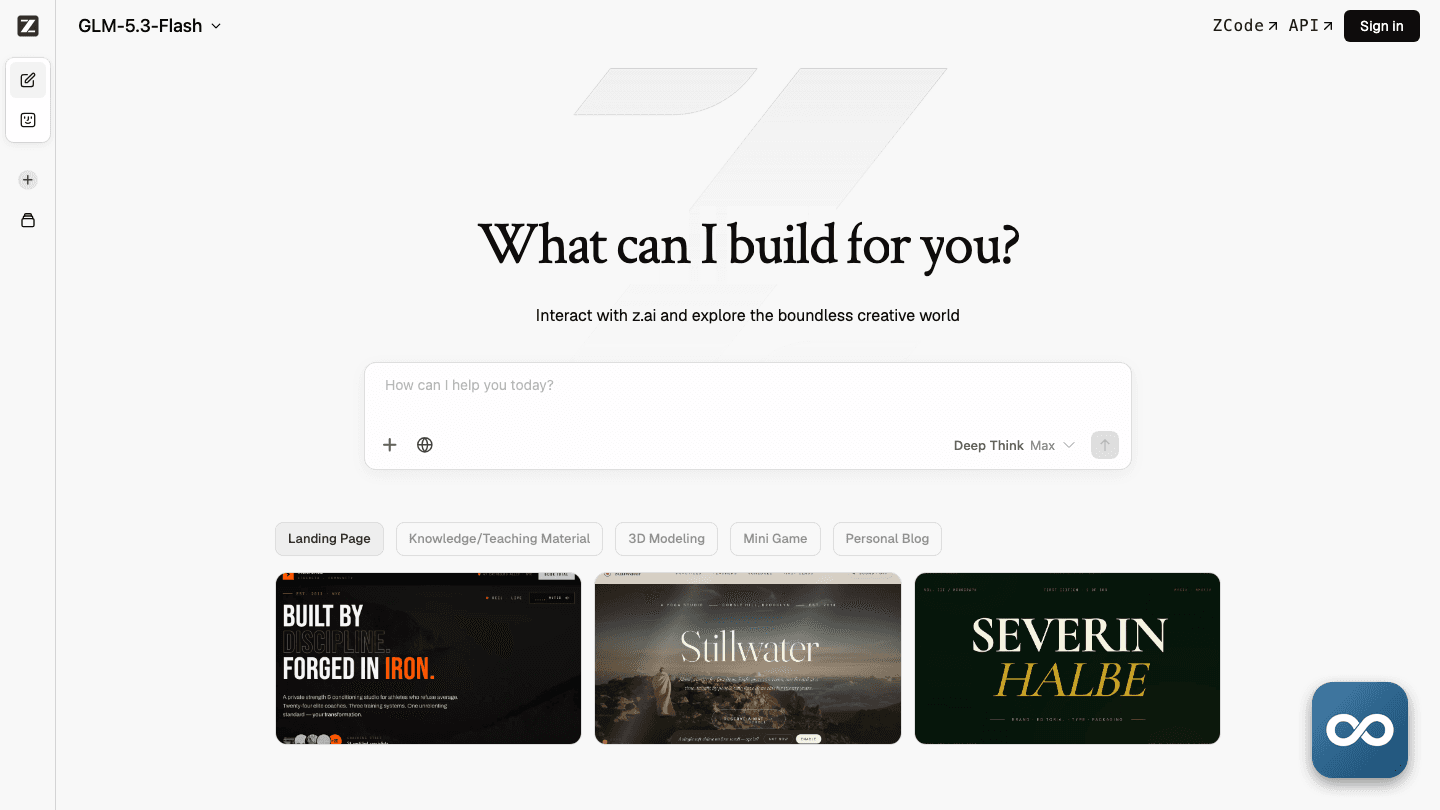
 Z.aiZhipu AI's international chat and agent platform on its GLM models, with free web chat, credit-metered coding plans for Claude Code, Cline and OpenCode, and a per-token API.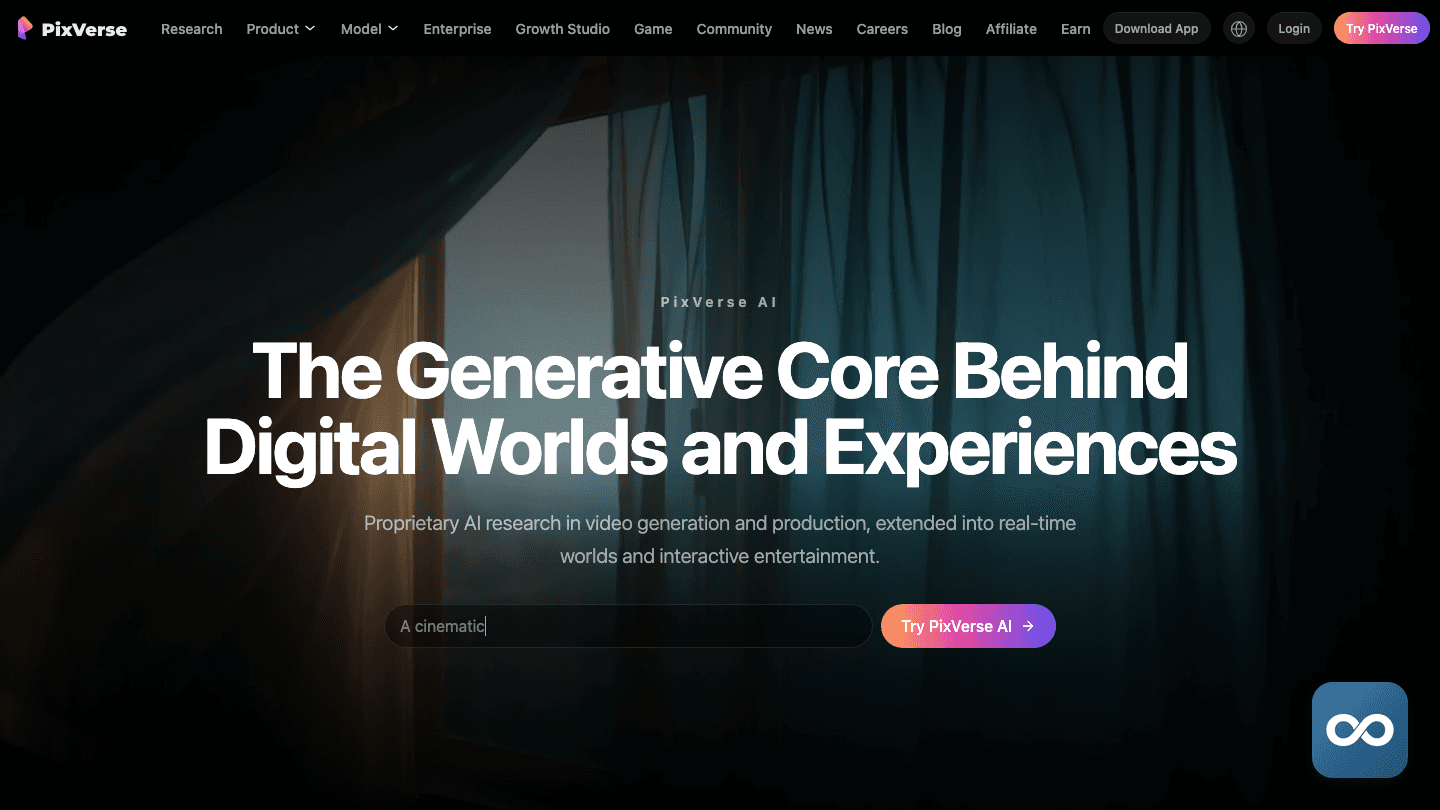
 PixVerseAI video generator that turns prompts, photos and clips into short video, with a free daily credit allowance and a library of social effects.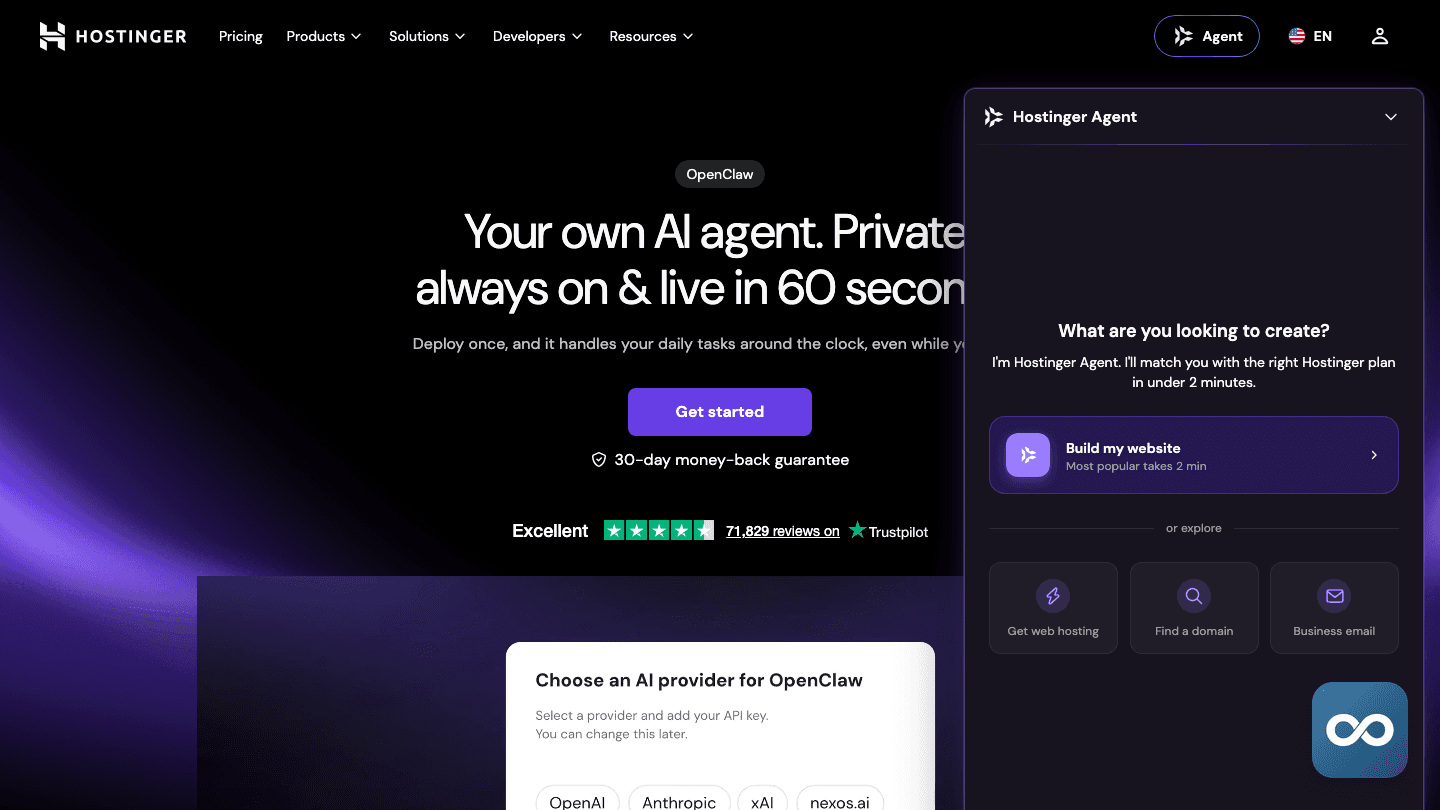
 Hostinger Managed OpenClawManaged hosting for OpenClaw: a private AI agent in an isolated Docker container, paired to WhatsApp or Telegram and running 24/7 with no server to maintain.
 DeepSeekOpen-weight AI lab whose hosted V4 models sit behind an OpenAI-compatible API, priced from $0.14 per million input tokens on a cache miss.
 GrammarlyAI writing assistant that checks grammar, clarity and tone and drafts text across the browser, Office, desktop and mobile, with a permanent free plan.
 GammaTurns a prompt, pasted text or an imported file into a deck, document, website or social post, built as editable cards in the browser.
Frequently asked questions
Company & links
- Company
- OpenAI
- Founded
- 2015
- Founders
- Sam Altman, Greg Brockman, Ilya Sutskever, Elon Musk, John Schulman, Wojciech Zaremba
- Leadership
- Sam Altman is CEO. OpenAI is controlled by the OpenAI Foundation, whose board is chaired by Bret Taylor and lists Adam D'Angelo, Sue Desmond-Hellmann, Zico Kolter, Paul Nakasone, Adebayo Ogunlesi, Nicole Seligman and Altman. The 2015 founding group included Altman, Greg Brockman, Ilya Sutskever, Elon Musk, John Schulman and Wojciech Zaremba.
- Funding
- OpenAI began in 2015 as a nonprofit research lab, created a capped-profit structure in 2019 with more than $100 million in initial funding followed by $1 billion from Microsoft, and now operates its for-profit arm as OpenAI Group PBC under the Foundation. Reuters reported a $6.6 billion convertible-debt round at a $157 billion valuation in October 2024 and a $110 billion round at an $840 billion valuation in February 2026. In August 2026 OpenAI announced $122 billion in committed capital at an $852 billion post-money valuation, anchored by Amazon, Nvidia and SoftBank. Total-raised figures conflict across databases and have not been reconciled.
- Scale
- Reuters reported approximately 4,500 employees and a plan to reach 8,000 by year-end 2026, explicitly noting it could not verify the report. The $25 billion ARR and $13.1 billion revenue figures on secondary statistics pages were not confirmed by a primary source. Headquarters are generally published as San Francisco, California, though no street address was confirmed.
Try ChatGPT on work you already know
A task you’ve done before is the fastest way to judge whether ChatGPT fits your workflow and budget. Check the current plan terms on the official site before you subscribe.